Payment
Principal, interest, taxes, insurance. That is the number. A rate without a payment is a slogan.
01. Realty
I buy and sell houses in Joplin, Webb City, Carthage, Carl Junction, and Neosho. The number you live with is the payment. principal, interest, taxes, insurance. VA and FHA if they actually help this house. Then a rental, if you want one.
List price is what the seller hopes. Sold price is what a buyer paid on your street. Payment is PITI at the rate on the board above, not a teaser from a Facebook ad.
In this market those three numbers are not the same. I will pull what sold, how long it sat, and what the buyer's payment looks like at today's rate. I will not tell you the market is on fire.
If you are using VA, FHA, or MHDC, that can change the cash to close. It does not change whether the house is a stupid payment. I walk the house. A lender runs the loan. Official program pages live on the buy-or-sell page.
If the payment does not fit, the house does not fit.
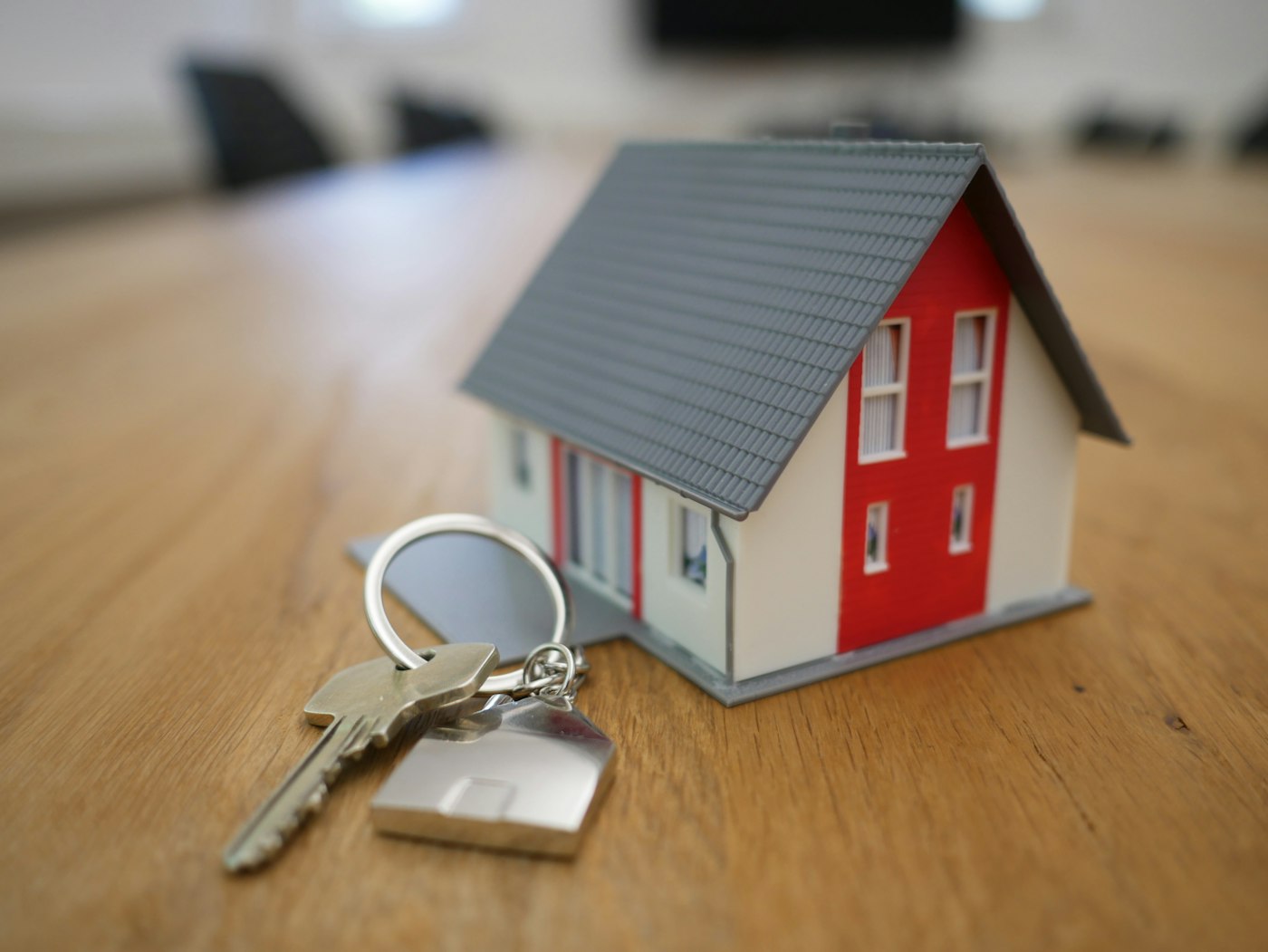
Principal, interest, taxes, insurance. That is the number. A rate without a payment is a slogan.
What it asked. What it closed. Days on market. That is the local tape, not a national headline.
Useful when they fit the house and the buyer. Not magic. The agency writes the rules. I walk the middle.
Rent minus vacancy, taxes, insurance, maintenance, management. Gross rent is a flyer. The rest is the job.
Investment property
Illiquid. Local. You are the operator unless you pay someone else. Rates and insurance move. A 20% price drop on a 25% down payment is not a 20% loss of equity. it is worse than that.
Some people should own a rental. Some should own the house they live in and stop there. Pretending those are the same decision is how people get stuck. We start with the property math, then with whether you want the job.